
Control Costs From the First Day
New Building Insulation in Milo for commercial and industrial construction projects where inadequate thermal performance increases operating expenses and creates uncomfortable conditions for tenants or equipment
Statewide Foam and Coatings installs insulation systems in new commercial and industrial buildings where energy efficiency and long-term durability directly affect operating budgets and tenant satisfaction. You need this service during the construction phase after the building is enclosed and systems are roughed in, but before interior finishes or equipment installation begins. In Milo, where commercial heating costs reflect both severe winter weather and the large square footage typical of warehouses, retail spaces, and light industrial facilities, the insulation system you choose now determines whether the building operates economically or requires constant climate control adjustments.
The work involves insulating exterior walls, roof decks, foundation perimeters, and any transition zones between conditioned and unconditioned spaces. Spray foam conforms to metal framing, masonry block, and steel roof decking, materials common in commercial construction that create thermal bridges when insulated with fiberglass alone. The foam expands to fill voids around structural members, door frames, and service penetrations, stopping air infiltration that forces HVAC systems to run longer and work harder to maintain setpoints.
Reach out early in the construction schedule to coordinate insulation installation with mechanical, electrical, and plumbing contractors, avoiding delays that push back occupancy dates or disrupt tenant move-ins.
Need Spray Foam Installed? Reach out today!
We will get back to you as soon as possible.
Please try again later.
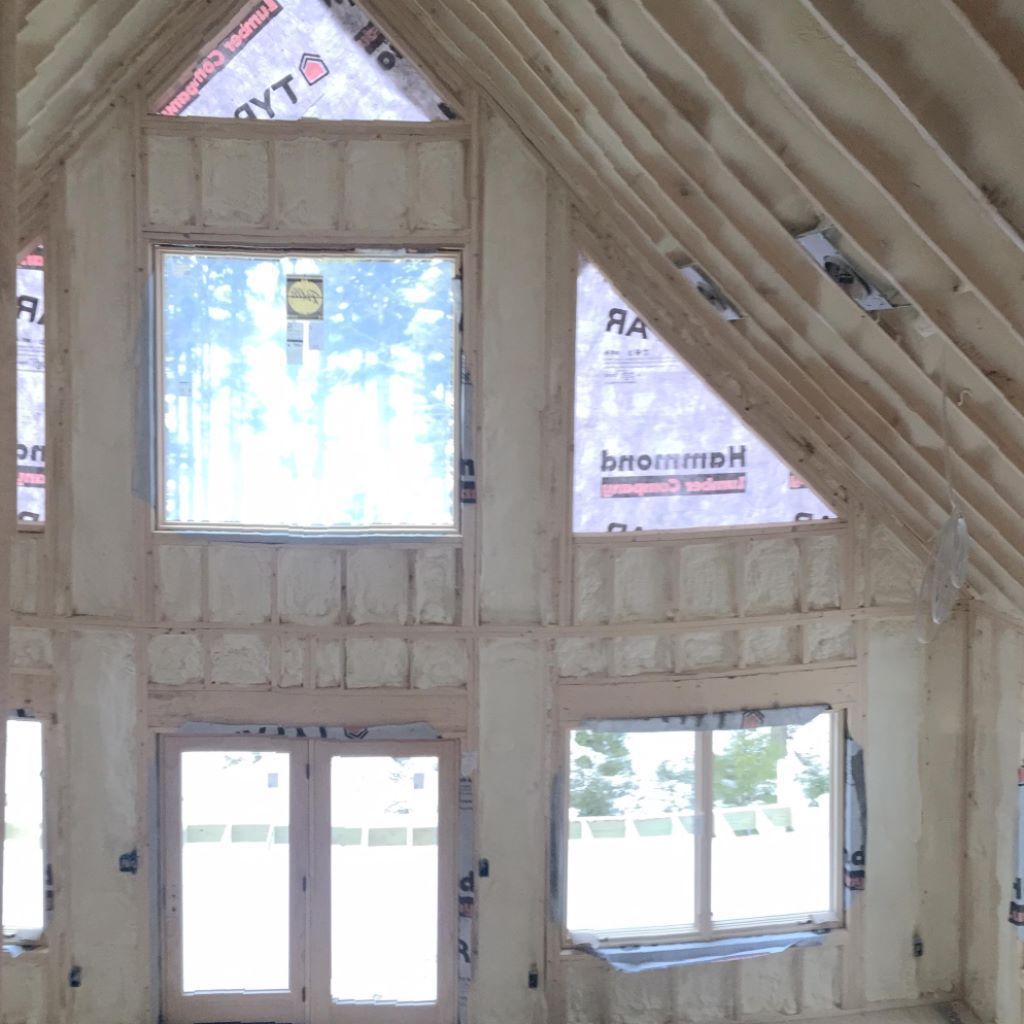
How the Building Performs After Insulation
You will see lower utility bills and more stable indoor conditions once the building is operational, with heating and cooling systems cycling less frequently and maintaining consistent temperatures across large open spaces. Roof decks stay warmer in winter, reducing the risk of ice dams and condensation that damage interior finishes and inventory. In warehouses and manufacturing facilities, maintaining process temperatures becomes easier, and climate-sensitive equipment operates within tighter tolerances without additional environmental controls.
Statewide Foam and Coatings tailors insulation thickness and application zones to match building use, occupancy type, and mechanical system design. The foam bonds to substrates without fasteners or adhesives, eliminating gaps that develop when batt insulation compresses or pulls away from irregular surfaces. This continuous coverage also improves fire resistance and sound damping compared to traditional insulation, benefits that matter in multi-tenant buildings and facilities with noise-sensitive operations.
Installation is scheduled to fit within the project's critical path, typically completed over several days depending on building size and accessibility. Coordination with the general contractor ensures that insulation does not block access for other trades or delay inspections. The cured foam can be left exposed in utility areas or covered with finishes as specified, providing flexibility in spaces where aesthetics vary by function.
Practical Details for Contractors and Developers
These answers address questions about material selection, scheduling, and performance expectations common in commercial construction projects.
What R-value is required for commercial buildings in Maine?
Building codes specify minimum R-values based on climate zone and occupancy type, but higher values often pay back faster in Milo's heating climate through reduced energy costs.
How does spray foam perform in unheated warehouses?
In unconditioned spaces, insulating the roof deck prevents extreme temperature swings and protects stored goods, while perimeter insulation reduces heat loss in heated zones without conditioning the entire building.
When should insulation be installed in the construction sequence?
Foam is applied after the building is weather-tight and mechanical rough-ins are complete, allowing coordination with roof membrane installation and avoiding damage from subsequent trades.
Why use spray foam instead of rigid board insulation?
Foam conforms to irregular surfaces and seals around penetrations in one step, eliminating the labor and material cost of cutting, fitting, and taping rigid panels while also providing superior air sealing.
How does insulation affect HVAC sizing and operating costs?
Properly sealed buildings require smaller heating and cooling equipment, reducing upfront capital costs and long-term energy consumption, a critical factor in Milo where heating dominates annual utility expenses.
Contact Statewide Foam and Coatings to review your project specifications and schedule a site meeting with your general contractor, ensuring insulation installation aligns with the overall construction timeline and performance goals.
Request a spray foam quote today!
We will get back to you as soon as possible.
Please try again later.