
Stop Concrete Movement Before It Worsens
Rocking Slab Repair in Milo for concrete surfaces that shift or tilt under foot traffic and equipment
Statewide Foam and Coatings provides rocking slab repair in Milo for property owners dealing with concrete that moves when stepped on or driven over. You feel the shift beneath your feet, hear the grinding of concrete edges, or notice cracks spreading outward from unstable sections. This service stabilizes slabs by filling voids beneath the surface and restoring solid contact between the concrete and the soil below.
Rocking slabs develop when soil erodes or compacts unevenly under the concrete, leaving gaps that allow the slab to pivot or tilt. Repeated pressure from vehicles, foot traffic, or seasonal freeze-thaw cycles compounds the problem. Foam injection targets the voids directly, expanding to fill empty space and lift the slab back into position. The process addresses both the movement and the underlying cause, preventing the issue from recurring in the same location.
If you manage a property in Milo with concrete that no longer sits firmly in place, reach out to discuss how foam stabilization applies to your situation.
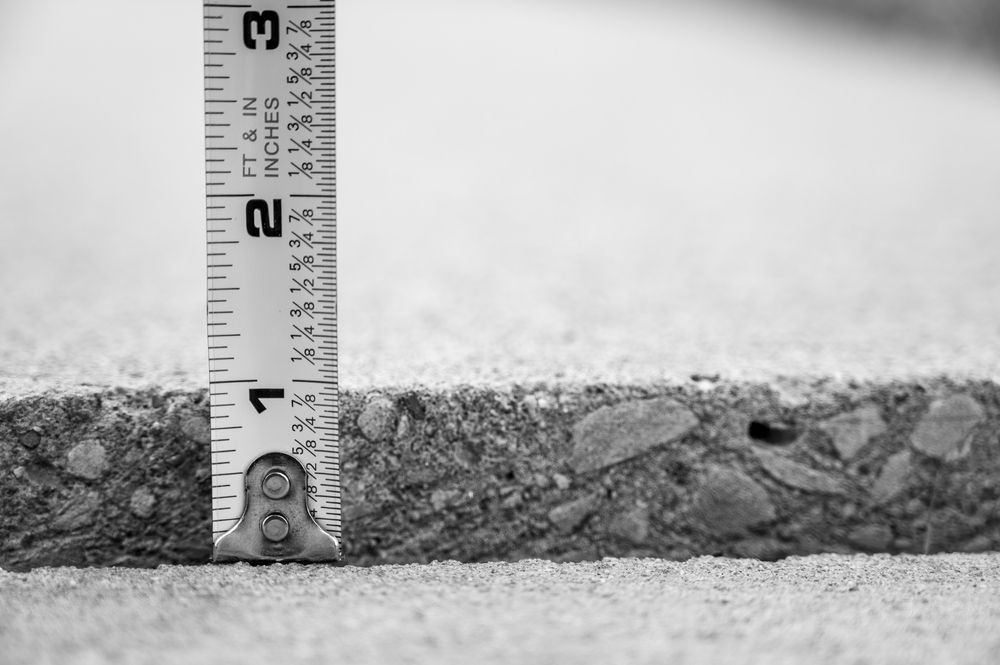
How Geotechnical Foam Restores Structural Integrity
The repair begins with drilling small access holes through the affected slab, typically spaced to match the extent of the instability. High-density polyurethane foam is injected through these ports under controlled pressure, expanding beneath the concrete to fill voids and compress loose soil. The foam cures in minutes, creating a rigid support layer that eliminates movement and redistributes load evenly across the slab.
After completion, you walk across the repaired area without detecting any shift or bounce. Cracks stop widening because the slab no longer pivots at weak points. Edges that once ground against each other now rest flush and stable. Statewide Foam and Coatings uses foam formulations designed for long-term soil stabilization, which resist moisture infiltration and degradation over time. The material does not compress or break down under repeated loading, so the stability you gain persists through seasonal changes and daily use.
This method works for both residential driveways and commercial loading areas. The foam bonds to the underside of the slab and the surrounding soil, creating a continuous support structure. Installation does not require excavation or slab removal, and traffic can resume within hours. The process does not address surface cracks wider than a quarter inch or slabs broken into multiple independent pieces; those conditions may require additional surface treatment or replacement of damaged sections.
What Property Owners Ask About Foam Stabilization
Questions about rocking slab repair often focus on how the foam performs under different conditions and what results you can expect in Milo's climate.
What causes a concrete slab to rock in the first place?
Voids form when water washes away soil, organic material decays, or the ground settles unevenly after initial compaction. Once a gap exists, the slab tilts under weight, grinding at pivot points and enlarging cracks.
How does foam injection differ from mudjacking?
Polyurethane foam weighs less than a tenth of traditional slurry, exerts less lateral pressure on surrounding soil, and cures faster. You avoid adding significant weight to already compromised subgrade, and the foam's closed-cell structure resists water absorption.
When should you repair a rocking slab rather than replace it?
Repair makes sense when the concrete surface remains structurally sound but lacks support underneath. If the slab is heavily fractured or the top surface has deteriorated, replacement may be necessary.
How long does the stabilization last?
The foam itself remains dimensionally stable for decades. Longevity depends on whether new voids form due to ongoing drainage problems or soil erosion, which is why addressing water flow around the slab is part of a complete solution.
Why does Milo's seasonal freeze-thaw cycle worsen slab movement?
Water infiltrates gaps beneath the slab, freezes, and expands, lifting the concrete slightly. When it thaws, the slab settles into a new position, often creating additional voids. Foam stabilization removes the space where water can accumulate and freeze.
Statewide Foam and Coatings works with residential and commercial property owners throughout Milo who need to eliminate concrete movement and restore safe, stable surfaces. Contact us to schedule an assessment of your rocking slab and discuss the specifics of foam injection for your property.