
Protect Your Building From Heat Loss
Spray Foam Insulation in Milo for new construction projects facing Maine's extreme winter temperatures and year-round air infiltration challenges
Statewide Foam and Coatings installs spray foam insulation for new homes and commercial buildings where controlling heat loss and preventing drafts determine whether your structure performs as designed or costs you more every month. You need this service when framing is complete and walls are ready to be sealed before drywall goes up, a narrow window in construction when proper air sealing makes the biggest difference. In Milo, where winter temperatures drop well below freezing and heating costs reflect every gap in the building envelope, spray foam creates a continuous thermal barrier that fiberglass and cellulose cannot match.
The service begins with preparing wall cavities, rim joists, and ceiling areas, ensuring surfaces are clean and dry before foam application. Spray foam expands on contact to fill gaps around framing, electrical boxes, and plumbing penetrations, sealing paths where conditioned air would otherwise escape. This dual-layer approach stops both air movement and thermal transfer, two separate problems that together account for most energy waste in new construction. The foam cures quickly, forming a rigid barrier that also adds structural rigidity to walls and roof assemblies.
Reach out to discuss your construction timeline and insulation plan before your project moves past the point where spray foam can be installed effectively.
Need Spray Foam Services? Reach out today!
We will get back to you as soon as possible.
Please try again later.
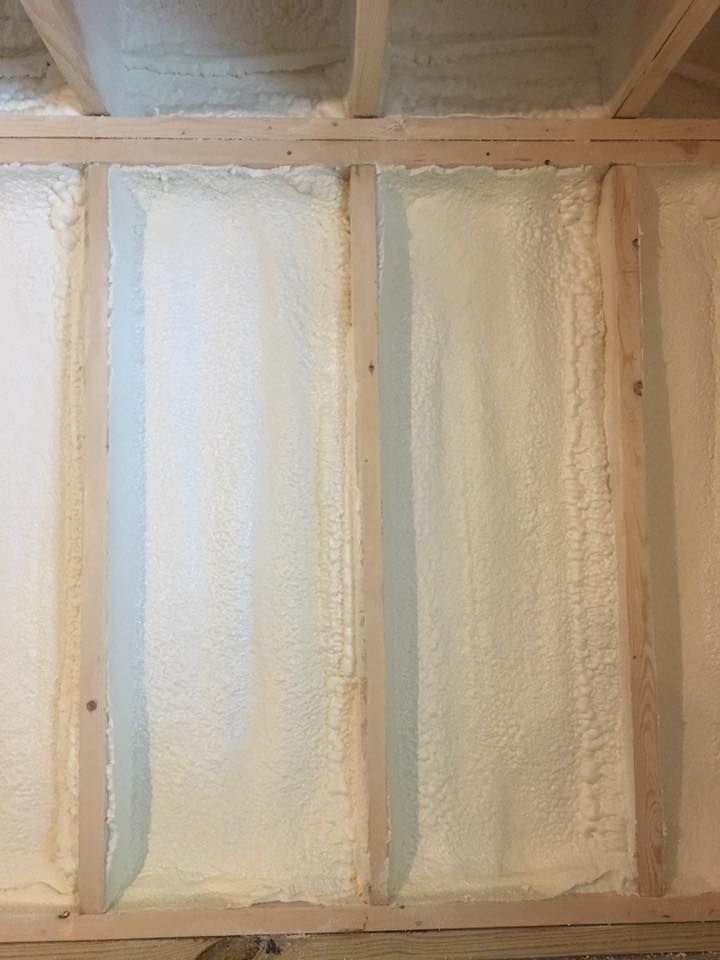
What Changes After the Foam is Applied
You will notice that the building holds temperature more consistently once the HVAC system is operational, with fewer cold spots near exterior walls and reduced runtime on heating equipment. Spray foam adheres directly to wood, metal, and masonry surfaces, creating an airtight seal that eliminates the drafts common in traditionally insulated buildings. In Maine, where prolonged cold stretches test every weakness in the building envelope, this air sealing translates to lower fuel consumption and more stable indoor conditions without constant thermostat adjustments.
Statewide Foam and Coatings applies foam in measured passes, building thickness gradually to achieve the target R-value without overfilling cavities or creating uneven surfaces. After curing, the foam can be trimmed flush with framing members, allowing drywall or other finishes to install without complications. The result is a seamless insulation layer that remains effective for the life of the building, with no sagging, settling, or gaps developing over time as happens with batt insulation in walls and ceilings.
The installation process is coordinated with your construction schedule to avoid delays, typically completed within one to two days depending on building size. Foam is applied after rough plumbing and electrical work but before mechanical insulation or finish work begins. Ventilation requirements and curing times are managed on-site, so the building is ready for the next trade without extended waiting periods.
Questions About Spray Foam in New Construction
These answers address common concerns about the application process, material performance, and what to expect during installation.
Request a spray foam quote today!
We will get back to you as soon as possible.
Please try again later.
What happens if foam is applied in cold weather?
Application requires a minimum surface temperature, typically above forty degrees, so scheduling is adjusted based on outdoor and indoor conditions during the Maine building season.
How soon can other trades work after foam is installed?
The foam cures within hours, and trimming can begin the same day, allowing drywall crews and finish carpenters to proceed without significant downtime.
Why does spray foam cost more than fiberglass batts?
You pay for the combined benefit of insulation and air sealing in one step, eliminating the need for separate vapor barriers and reducing long-term energy costs through tighter building performance.
What areas of a building benefit most from spray foam?
Rim joists, cathedral ceilings, and exterior walls with complex framing see the greatest improvement, particularly where traditional insulation leaves gaps or compresses unevenly.
How does spray foam perform in high-humidity areas?
Closed-cell spray foam resists moisture infiltration, preventing condensation within wall cavities common in Milo's humid summer months and helping avoid mold growth in concealed spaces.
Contact Statewide Foam and Coatings to schedule a site visit and review your building plans before insulation deadlines approach, ensuring the work fits within your construction sequence without delays.