
Stop Deterioration Before It Spreads
Polyurea Manhole Liners in Milo for aging sewer and utility manholes where concrete degradation, moisture infiltration, and chemical exposure threaten structural integrity and increase maintenance costs
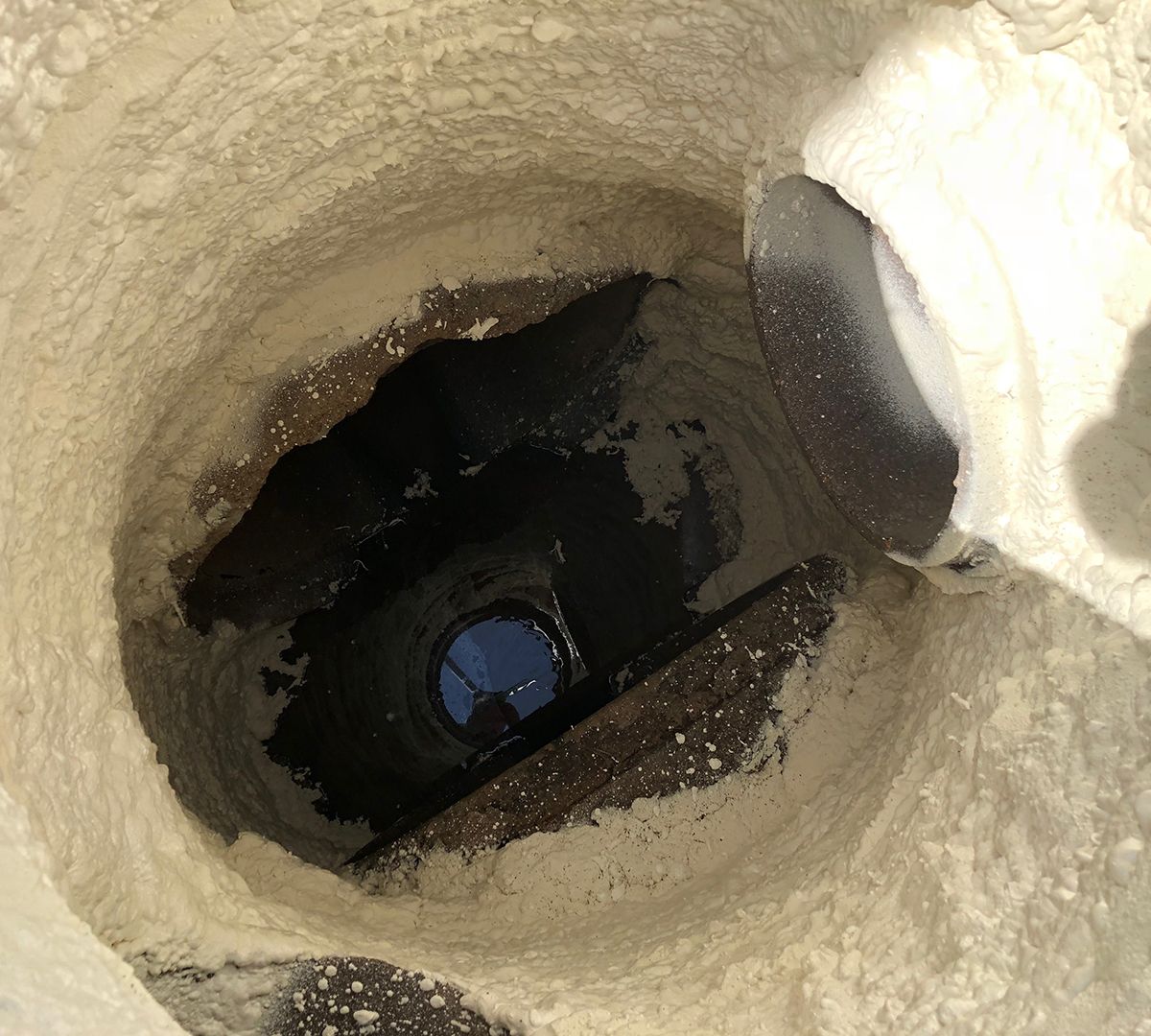
Statewide Foam and Coatings installs protective polyurea liners inside manholes to prevent further deterioration and extend the service life of sewer and utility access structures. You need this service when visual inspections reveal cracking, spalling, or surface erosion caused by hydrogen sulfide gas, moisture infiltration, or chemical exposure, conditions that worsen over time and eventually require full manhole replacement if left untreated. In Milo, where freeze-thaw cycles and seasonal groundwater fluctuations accelerate concrete breakdown, lining existing manholes preserves structural integrity and avoids the high cost and extended downtime of rebuilding access points in active utility systems.
The installation process begins with cleaning the interior surfaces to remove debris, corrosion, and loose material, ensuring proper adhesion of the liner. Polyurea is spray-applied to form a seamless, flexible coating that bonds to concrete and resists moisture, chemicals, and abrasion. The material cures quickly, often within hours, allowing the manhole to return to service the same day without extended closures or bypass pumping. This speed reduces the impact on system operations and limits the risk of sanitary sewer overflows or service interruptions during repair work.
Reach out to schedule manhole assessments and liner installations as part of your ongoing infrastructure maintenance program, addressing problems before they escalate to emergency repairs.
How Liners Protect Manholes Long-Term
You will see a halt in the progression of concrete deterioration once the liner is in place, with no new spalling, cracking, or loss of structural material in treated manholes. The polyurea barrier prevents moisture from penetrating the concrete, eliminating the freeze-thaw damage common in Milo's winter months when water trapped in cracks expands and breaks apart weakened material. Chemical resistance protects against the sulfuric acid that forms when hydrogen sulfide gas reacts with moisture on manhole walls, a leading cause of crown corrosion in sewer systems.
Statewide Foam and Coatings applies polyurea at controlled thickness to achieve durability without reducing flow capacity or obstructing access features. The liner conforms to irregular surfaces and fills small voids, creating a smooth, corrosion-resistant interior that simplifies future inspections and maintenance. The material remains flexible, accommodating minor structural movement without cracking or delaminating, a critical property in systems subject to ground settlement or thermal expansion.
Application is coordinated with utility operations to minimize downtime, typically completed within a single work shift per manhole. Traffic control and safety measures are managed on-site, ensuring compliance with local regulations and protecting both workers and the public. The fast cure time allows crews to complete multiple manholes in a day, making it practical to treat entire system segments during planned maintenance windows.
Details Utility Managers Need to Know
These answers address questions about material performance, application logistics, and cost comparisons relevant to municipal infrastructure management.
What makes polyurea effective against hydrogen sulfide corrosion?
The liner creates an impermeable barrier that prevents sulfuric acid from reaching the concrete substrate, stopping the chemical reaction that causes crown corrosion in sewer manholes.
How long does a polyurea liner last?
Liners installed in sewer environments typically perform for decades without significant degradation, provided the underlying structure remains stable and proper surface preparation is completed before application.
When should manholes be lined instead of replaced?
Lining is appropriate when structural integrity is adequate and damage is limited to surface deterioration, offering cost savings and faster completion compared to full manhole reconstruction.
Why is fast curing important for manhole repairs?
Short cure times reduce the need for bypass pumping and allow systems to return to service quickly, minimizing the risk of overflows and reducing the impact on residents and businesses in Milo.
How does lining affect manhole inspection and maintenance?
The smooth, seamless surface simplifies cleaning and video inspection, making it easier to identify future problems and maintain system performance over time.
Contact Statewide Foam and Coatings to arrange a system assessment and develop a lining schedule that addresses your most vulnerable manholes while fitting within your maintenance budget and operational constraints.