
Start With the Right Insulation System
New Home Insulation in Milo for residential construction projects where improper coverage leads to cold floors, uneven room temperatures, and higher heating bills from the first winter onward
Statewide Foam and Coatings installs insulation systems in new residential construction, working directly with builders to ensure coverage meets performance standards before walls close and problems become permanent. You need this service during the framing and rough-in phase, after plumbing and electrical runs are complete but before drywall hides the structure. In Milo, where heating season lasts from October through April, the difference between adequate insulation and a properly sealed thermal envelope shows up immediately in comfort and utility costs, and correcting it later means tearing into finished walls.
The process involves treating exterior walls, attic spaces, basement rim joists, and any areas where conditioned space meets unconditioned zones. Spray foam fills gaps around windows, doors, and penetrations that batts cannot address, stopping air movement that carries heat out faster than conduction alone. This approach improves indoor air quality by reducing drafts that pull in dust, pollen, and moisture, common issues in homes insulated with materials that allow airflow through the building envelope.
Talk through your project timeline and insulation goals early so installation aligns with other trades and avoids scheduling conflicts that delay occupancy.
Need Spray Foam Services? Reach out today!
We will get back to you as soon as possible.
Please try again later.
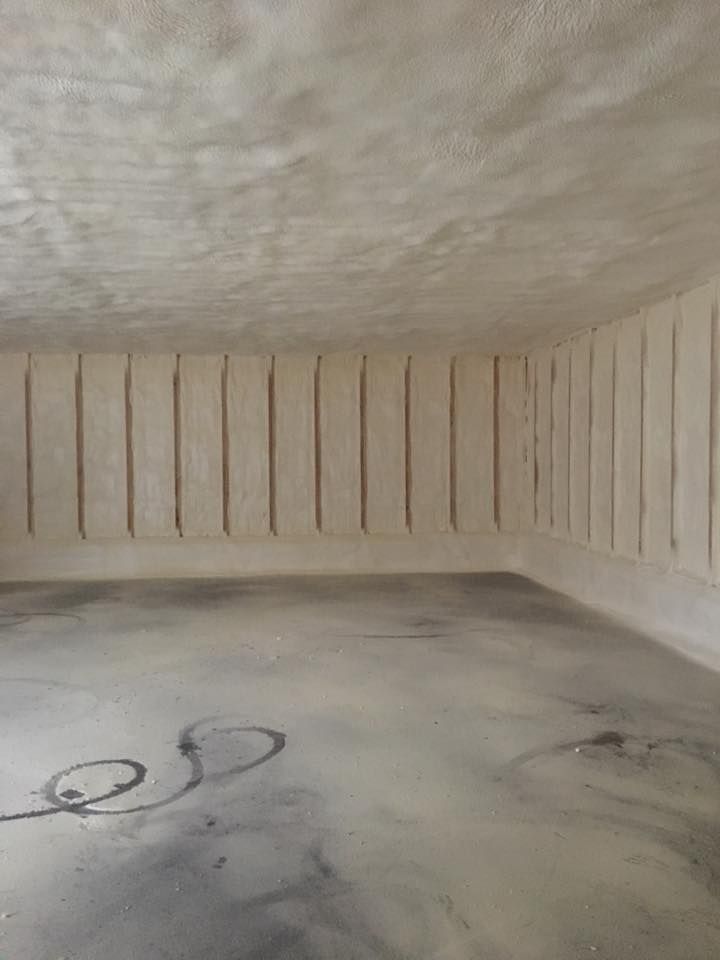
What Homeowners Notice After Installation
You will feel consistent temperatures from room to room once the heating system runs, with no cold drafts near baseboards or around window frames. Floors above unheated crawlspaces stay warmer underfoot, and second-story bedrooms no longer overheat while the main level stays cool. These changes result from eliminating the air leaks and thermal bridging that traditional insulation leaves behind, especially in areas where framing creates irregular cavities or where batts compress and pull away from edges.
Statewide Foam and Coatings tailors coverage to each home's design, adjusting thickness and application zones based on wall height, roof pitch, and foundation type. In Maine, where building codes require higher R-values than moderate climates, meeting those standards with spray foam also delivers the air sealing that codes do not always specify but that determines real-world performance. The foam bonds permanently to framing, sheathing, and subfloors, creating a monolithic barrier that does not shift or settle over decades.
Installation is scheduled in coordination with the builder's timeline, typically completed in one or two days depending on home size and complexity. The foam is trimmed flush after curing, leaving clean surfaces for drywall installation without gaps or uneven planes. Builders can proceed with finish work immediately, keeping the project on schedule without waiting periods that extend construction loans or delay closings.
Common Questions From Homeowners and Builders
These answers address practical concerns about material choice, application timing, and long-term performance in new residential construction.
What is the difference between open-cell and closed-cell foam?
Closed-cell foam provides a higher R-value per inch and acts as a vapor barrier, while open-cell foam is lighter and less expensive but requires a separate vapor retarder in colder climates like Milo.
How long does spray foam insulation last?
The material does not degrade, settle, or lose R-value over time, so it performs at the original specification for the life of the home without replacement or maintenance.
When should insulation be installed during construction?
Foam is applied after the building is dried in, rough plumbing and electrical are complete, and all penetrations are cut, but before drywall or interior finishes begin.
Why is air sealing important in a new home?
Air leaks account for a larger share of heat loss than conduction through walls, so sealing gaps around framing and penetrations reduces heating costs more than adding extra insulation alone.
How does foam insulation affect indoor humidity?
Closed-cell foam limits moisture movement through walls, helping maintain stable indoor humidity levels during Milo's cold, dry winters and preventing condensation inside wall cavities during humid summers.
Get in touch with Statewide Foam and Coatings to review your construction plans and coordinate insulation installation with your builder's schedule, ensuring the work happens at the right stage without delays.
Request a spray foam quote today!
We will get back to you as soon as possible.
Please try again later.